
Designing for impact: A new paradigm for communes?
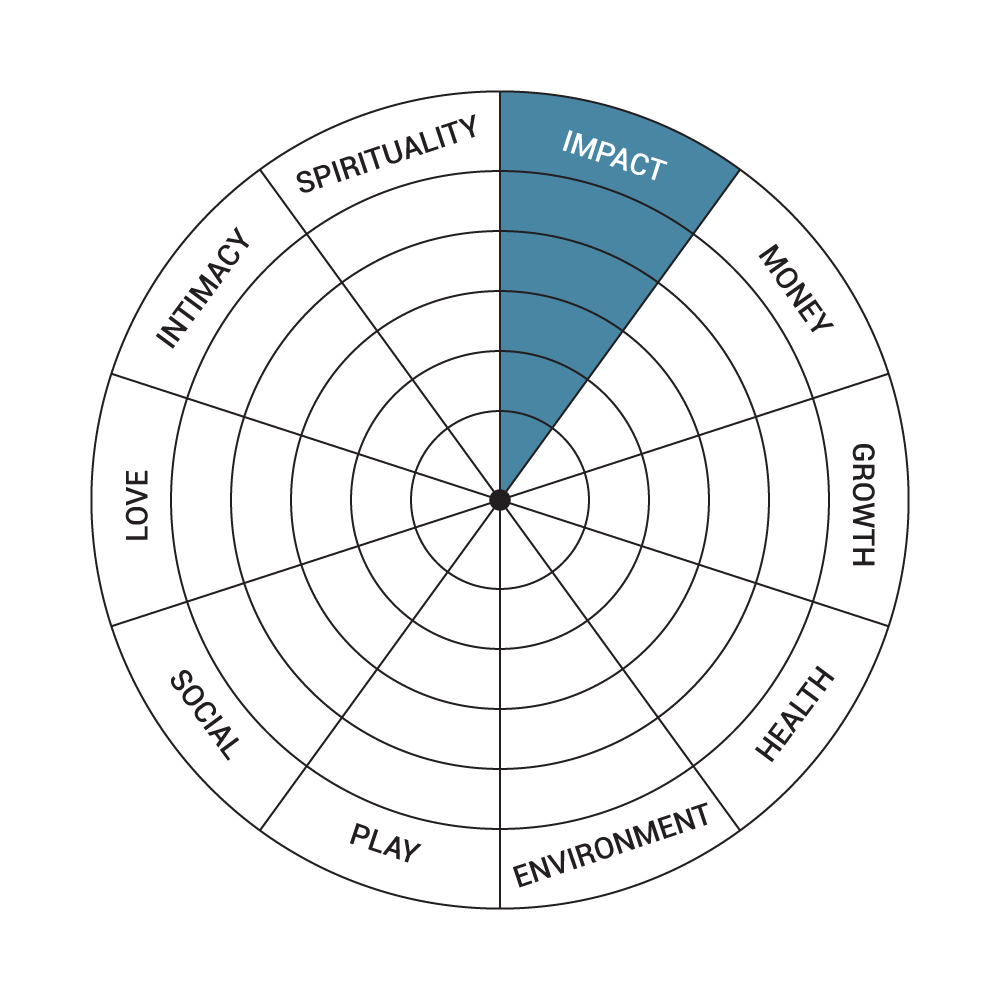
Part ten in the Wheel of Life series

I’m writing this post from a too-warm cafe in Baku, lounging in a chair without a proper desk, and the friend I’m travelling with, who is working a corporate job, just concluded: “I feel 60% as productive working from this cafe and my conclusion is I would never hire somebody who claims to be a digital nomad.”
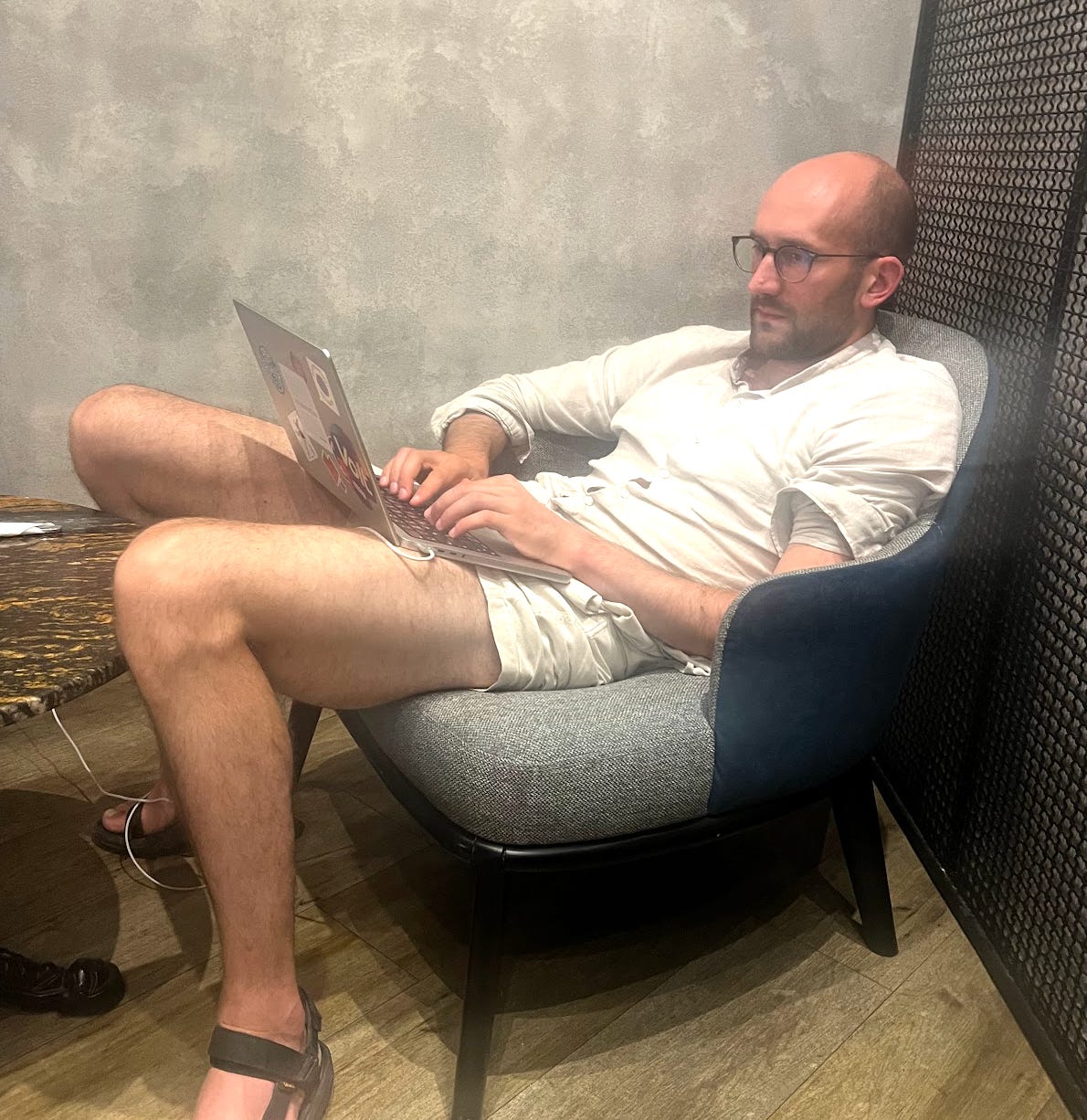
I fully agree with him. A lot of remote work setups are terrible. I am tall and I had to hustle quite a bit in most communities until I found a proper chair and table setup to somewhat protect my back. Most coworking areas are combined with social areas so people are constantly distracted. Working long is discouraged. And the evening program is often so tempting that we wake up maybe less focused than we could’ve been.
I might be a bit weird for saying this but: Work is important to me. Work is where I spend at least eight hours per day. And, next to donations, work is where I believe to have most of my impact on people in this world. I am proud of my work as CTO of a health insurance scale-up and I want to give it my best shot. If I would feel that my job wouldn’t have the impact I aim for, I would look for a different job. I realise that this is a very privileged position but I think most people doing the digital nomad thing are in a similarly privileged position.
What if we designed a commune so it would optimise, next to all the other topics so far, also for impact? A bit like a monastery but instead of religious practices we practice impact? Like a premanent residency where people have everything taken care of and have the best possible environment to focus on the way they can bring positive impact to this world? Maybe by fully focusing 8 hours per day on writing their next book, or on coaching others, or on starting a business, or whatever they feel their purpose is.
One extreme example of this is the EA Hotel, a repurposed old hotel in Blackpool, UK, where people close to the Effective Altruism community can stay for extended periods to work on projects. I haven’t stayed there myself but from what I’ve heard, it is run very structured with large times of the day dedicated to deep work. They provide for food, cleaning, and even a small stipend provided. And they have a comparably small focus on play, spirituality, intimacy, or other segments of the Wheel of Life. With a focus as strong as this, it isn’t meant to be sustainable for individuals for the long term but rather for periods of intense focus in their lives.
What could a more balanced approach to impact look like? That’s a topic I hope to explore further, either by finding communities that fit this bill or by starting to design one in this direction. Have an idea? Leave a comment!
I think those reasons are probably true and a colleague who looked into them independently came up with the last point too; the sharing of chores and self sufficiency bonds the community, it's not about efficiency for them 👍
I recently looked into communes myself and found that none of them aligned idea logically with me. They all seemed as though they would distract from my work rather than enhance it as everyone contributes to gardening, maintenance, farming, and other chores. I find this very insular and it seems strange to me that the result of pooling resources is an increase in menial tasks rather than a decrease. I'm makes me wonder are communes just reinventing the wheel and building a suboptimal version of larger society? Perhaps in trying to regain a sense of community we are throwing the baby out with the bathwater?
Anyway, thanks for your thought provoking article. I actually Googled "effective altruism commune" and didn't find anything so I'm hyped to hear about the EA hotel.